The Law of Ink and Iron
About
The Supreme Court ruled in their favor. The President laughed.
In 1828, in the hills of Georgia, a printing press arrived by wagon. It carried the Cherokee syllabary type—the first written Native American language—and a revolutionary idea: that a newspaper could defend a nation against an empire.
David Aganstata was nineteen when he learned to set that type. Working beside the visionary editor Elias Boudinot, he helped build the Cherokee Phoenix into a weapon of words, sending truth to Washington, Boston, and London. When Georgia tried to seize Cherokee land, the Supreme Court itself declared the seizure unconstitutional.
Andrew Jackson's response became legend: "John Marshall has made his decision. Now let him enforce it."
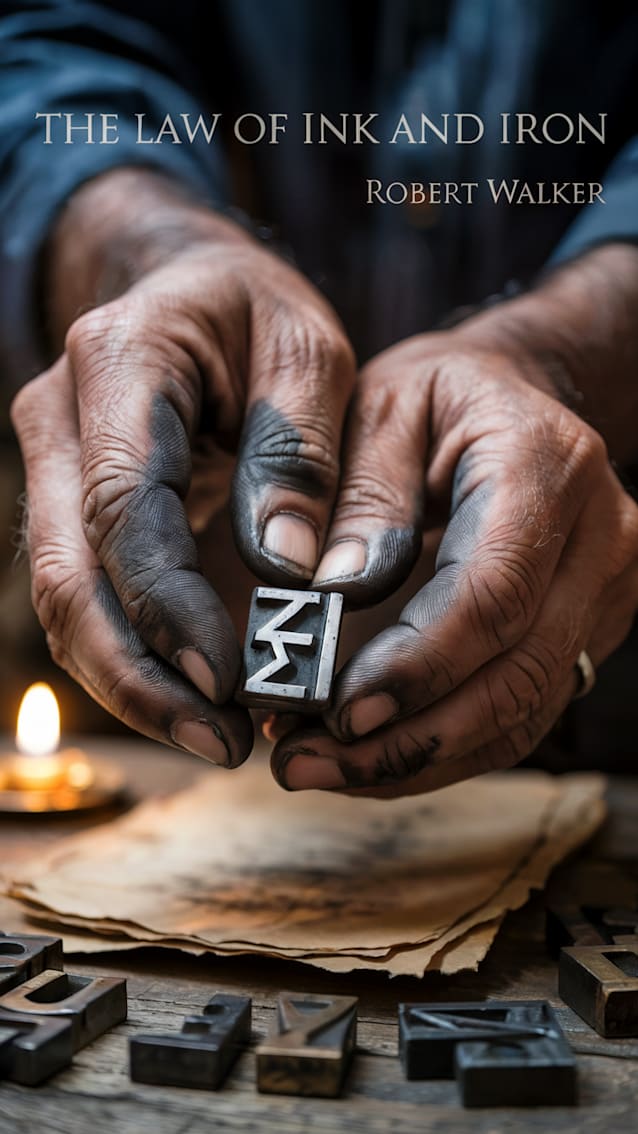
What follows tears a nation apart. Boudinot and Chief John Ross, once allies, become bitter enemies—one believing survival requires signing away the homeland, the other refusing to surrender at any cost. The militia destroys the press. The people are rounded into stockades. And David must walk the Trail of Tears carrying everything he believes in a single piece of metal type: ᏓᎵ. Truth.
This is the story of what happens when the tools of truth are seized, when the voice of a people is silenced by force—and of the stubborn, beautiful insistence that some things cannot be taken, only carried forward, one step at a time, through the ashes.
Some fires only make the phoenix stronger.